
Shopping at thrift stores can be a fantastic way to find unique and affordable kitchen accessories. From charming serving trays to quirky counter decor, secondhand items often carry a sense of nostalgia and character that new products simply can’t match. However, not every kitchen item is a safe bet for a secondhand purchase, and some might even end up costing you more in the long run due to hidden issues.
Interior designers and home experts advise steering clear of certain kitchen essentials when thrifting. Below are five commonly found items you should never buy secondhand, along with reasons why it’s better to invest in brand-new alternatives instead.
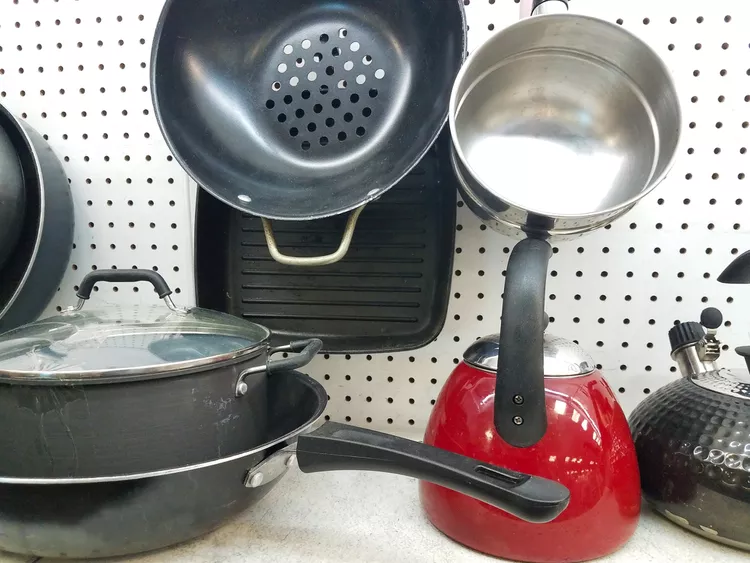
- Plastic Containers: Avoid Lingering Odors and Stains
It’s easy to imagine that buying plastic containers at a thrift store would be a sustainable and budget-friendly choice. After all, you’re reusing something rather than buying new, right? However, Elana Mendelson, the founder of Elana Designs, advises against buying secondhand plastic containers for food storage.
“Plastic containers tend to discolor and absorb odors over time,” she explains. “The stains are difficult to remove, and the lingering smells are often impossible to get rid of.” For this reason, even though plastic storage bins can be useful for non-food items like tools or art supplies, it’s better to buy fresh plastic containers for kitchen use. You can avoid the hassle of old smells and stains while ensuring that your food is stored in a hygienic and safe manner.
- Small Appliances: A Risky Investment
It’s easy to get excited when you spot a small kitchen appliance—like a blender, coffee maker, or air fryer—at a thrift store. After all, these items can be quite expensive when purchased new. However, Mendelson warns that secondhand small appliances often come with hidden risks.
“The age and internal condition of small appliances are completely unknown,” she says. “Wiring could be faulty, parts may be missing, or the appliance may not work at all.” Unlike a lamp or toaster that you can test right in the store, small appliances are harder to check for functionality. Additionally, many thrift stores have strict return policies, so if the appliance doesn’t work once you get home, you’re left with an unwanted item and no easy way to get your money back.
Fiorello Designs’ Giovanna Fiorello adds that secondhand small appliances are often difficult to clean thoroughly, which can lead to permanent stains or lingering food residue. The safer bet is to save up and buy a new appliance that comes with a warranty and peace of mind.
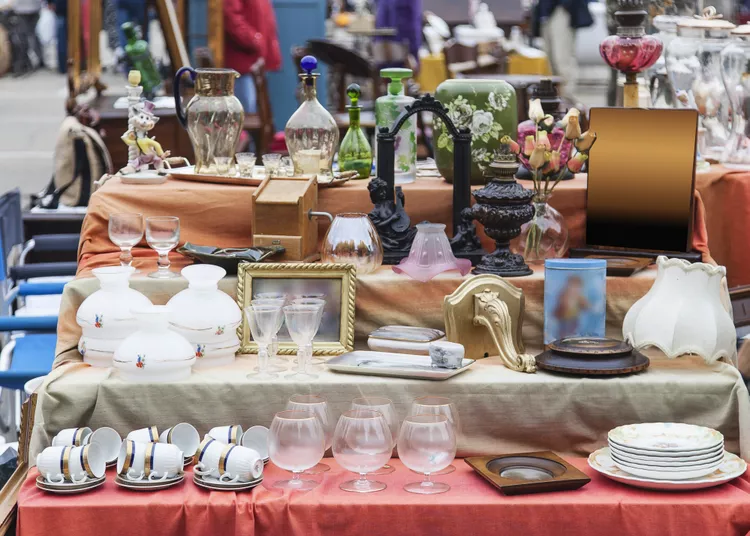
- Wooden Cutting Boards: A Hidden Health Hazard
Wooden cutting boards are a staple in most kitchens, but Fiorello warns against purchasing them secondhand. For one, wooden cutting boards are porous and can harbor bacteria over time, especially if they’ve been poorly cleaned. As Fiorello explains, “You don’t know how well the cutting board has been sanitized in the past.” Even worse, stray wood fibers may become trapped in your food, leading to potential contamination.
Since cutting boards are directly involved in food prep, it’s best to invest in a new one that you can properly clean and maintain. It’s a small price to pay for ensuring your kitchen remains sanitary and safe for meal preparation.
- Glass and Ceramic Items: Cracks Can Be Dangerous
While a vintage glass dish or a ceramic mug may seem charming, Fiorello suggests skipping these items when thrifting. The reason? It’s often difficult to spot cracks or chips in glass and ceramic items unless you thoroughly inspect them, which can be time-consuming and impractical in a busy thrift store.
“Cracks and chips can be dangerous, especially if the item breaks during use,” she says. If you’re not careful, you or your guests might get hurt, particularly if a cracked dish or mug is used without realizing the flaw. To keep your kitchen safe and functional, it’s better to buy glass and ceramic items that are guaranteed to be in perfect condition, free from any potential hazards.
- Vintage Pewter: Stylish, but Not for Food
Vintage pewter items can add a touch of elegance and history to your kitchen. These pieces are often used as decor or serving trays, and they can make your shelves or countertops look unique. However, Liz Fraser, co-founder of Ashdown Studio, advises against using vintage pewter for food-related purposes.
“Lead was commonly used in the production of vintage pewter,” she explains. “As a result, it should not be used as a serving piece for food.” While pewter can still serve as stylish kitchen decor, using it for serving food can pose a health risk due to the potential lead contamination. If you love the look of vintage pewter, it’s best to keep it as a decorative item, not a functional piece for food service.


