
No matter how often you clean, dust seems to have a way of sneaking back into every nook and cranny of your home. It’s subtle, persistent, and if ignored long enough, it can affect not just your space’s appearance—but also your indoor air quality and overall comfort. While it’s impossible to eliminate dust entirely, a smart, strategic approach can help you keep it under control and make your home feel fresher, cleaner, and healthier.
Whether you’re tackling a once-in-a-while deep clean or trying to adopt a more consistent routine, here’s your guide to dusting like a pro and reclaiming every inch of your home from those stubborn particles.
Why Dust Matters
Dust isn’t just unsightly—it’s a mixture of dead skin cells, hair, pet dander, pollen, and even microscopic debris from outside. Left alone, it settles on surfaces, creeps into corners, and becomes harder to clean over time. For allergy sufferers especially, keeping dust at bay can significantly improve daily well-being.
Thankfully, all it takes is the right plan, a few reliable tools, and a top-to-bottom mindset.
Step One: Gather the Right Tools
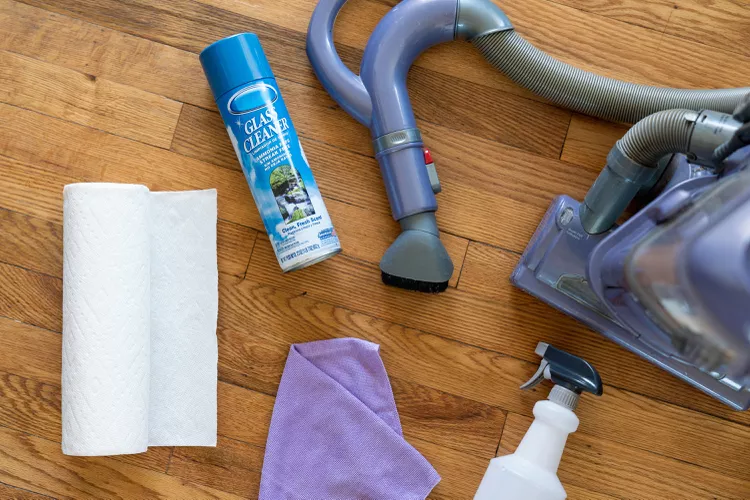
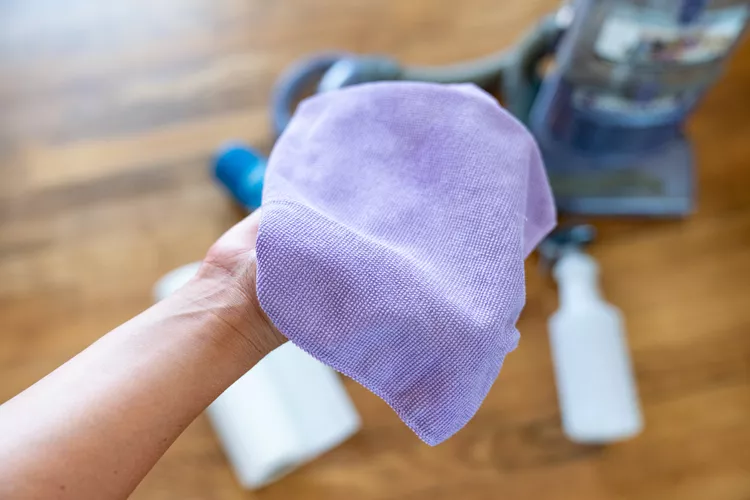
Forget the old feather duster. While it may look fancy, all it does is stir dust into the air. Microfiber is the real hero here. These cloths are specially designed to trap and hold dust particles instead of scattering them. Invest in a mix of the following:
- General microfiber cloths for most surfaces
- Glass-specific microfiber towels for streak-free shine
- Flexible microfiber dusters with poles for high-up or awkward spots
- A lightweight, HEPA-rated vacuum with a round brush attachment
Add an all-purpose cleaner, a gentle glass cleaner, and a melamine foam sponge to your cleaning caddy, and you’re ready to get started.
Step Two: Clean from Top to Bottom
This golden rule of dusting ensures that you won’t undo your work. Always start high and work your way down. Begin with ceiling fans, high shelves, light fixtures, and the tops of cabinets—areas that are often forgotten and can accumulate the most dust.
Use your extendable microfiber duster to safely reach these spots without dragging out a ladder. Gently wipe with a slightly damp cloth sprayed with all-purpose cleaner for a more thorough clean.
As you work downward, hit surfaces like picture frames, bookshelves, window sills, and tabletops. And don’t forget often-missed places like the tops of doors and curtain rods.
Step Three: Don’t Skip the Vacuum
A good vacuum is your best friend in the fight against dust—especially one that’s lightweight, easy to maneuver, and equipped with a true HEPA filter. These filters are designed to trap even the tiniest dust particles, including allergens and pet dander.
Use a vacuum with a brush attachment to clean corners, baseboards, the tops of furniture, and even upholstery. For areas where dust settles into fabric—like sofas, cushions, and rugs—give them a deep vacuum regularly to prevent buildup.
Step Four: Glass Surfaces Need Love Too
Glass might seem easy to clean, but it’s also one of the places where dust and fingerprints become most noticeable. To keep mirrors, windows, and glass tabletops sparkling, use a microfiber towel specifically designed for glass. These are denser and smoother than standard microfiber, which helps you avoid streaks and scratches.
Wipe in a circular motion for the best results, and avoid oversaturating the surface with cleaner—less is often more.
Step Five: Baseboards, The Final Frontier
After tackling the main zones of your home, wrap up by focusing on your baseboards. These low-lying surfaces catch dust, pet hair, and dirt—especially in high-traffic areas.
Start by vacuuming along the baseboards with a brush attachment. Then go in with a microfiber cloth dampened with all-purpose cleaner. For scuffs or neglected areas, a melamine sponge (such as a Magic Eraser) can restore their appearance quickly.
Tips for Success and Long-Term Maintenance
- Stay consistent. Commit to dusting high-traffic and visible areas once a month, and deeper, harder-to-reach spots every three to six months.
- Damp, not wet. A slightly moistened microfiber cloth does a better job trapping dust than a dry one. Just make sure it’s not soaked, as excess moisture can leave streaks or even damage wood surfaces.
- Switch out air filters regularly. Your HVAC system circulates air—and dust—through your home. Clean filters reduce the dust that lands on your surfaces.
- Minimize clutter. The more objects you have sitting out, the more surfaces dust has to land on. Keeping things streamlined makes cleaning quicker and more efficient.
FAQ: Your Dusting Questions, Answered
Should I use a dry or wet cloth?
A slightly damp microfiber cloth is best. Too much moisture can leave streaks; too little might not pick up dust effectively.
What’s the most efficient way to dust?
Work from the top down and use a microfiber cloth or duster. Vacuum afterward to catch any loose particles that have fallen.
How can I dust like a professional?
Pros prioritize high-quality microfiber tools, a consistent system (top to bottom, room by room), and finish with vacuuming for a truly thorough job.
How often should I be dusting?
Aim to dust your home monthly, with deeper cleans every three to six months depending on how fast dust accumulates in your space.
A Fresh Start for Your Home
Keeping your home dust-free doesn’t require expensive tools or an overwhelming time investment. With a practical plan and a few reliable products, you can keep your space clean, healthy, and welcoming all year long.
So the next time you spot a dusty shelf or sneeze from a stuffy room, take it as your cue. A cleaner, brighter home is only a microfiber cloth away.


