
In the journey of a baby’s nutrition, introducing the right foods at the right time is crucial. One such essential addition is apple juice, a beverage that not only tantalizes the taste buds but also offers a plethora of health benefits.
Apples hold a special place in the world of infant nutrition. They are often the very first fruit introduced during the complementary feeding stage. Why? Well, apples are a nutritional powerhouse. They are brimming with vitamins like C, which is great for boosting the immune system, B vitamins (B1, B2, and B6) that aid in various bodily functions, and vitamin K, important for blood clotting. Additionally, they contain minerals such as phosphorus, calcium, and potassium, all of which play vital roles in a baby’s growth and development.
The sweet and mild flavor of apples makes them an ideal choice for little ones. It helps in gently transitioning babies from the familiar taste of breast milk or formula to new and exciting flavors. What’s more, apples have an alkaline composition, which is gentle on a baby’s delicate digestive system.
Apple juice isn’t just a treat for babies; it has multiple advantages. Rich in antioxidants, it helps protect the body from harmful free radicals. The presence of malic and tartaric acids in apples aids digestion, especially when dealing with a diet that has a higher fat content. For babies, this can mean less discomfort after meals. And surprisingly, a small amount of apple juice before bedtime can act as a natural relaxant, promoting a deeper and more peaceful sleep.
Now, let’s get to the exciting part – making homemade apple juice for your baby.
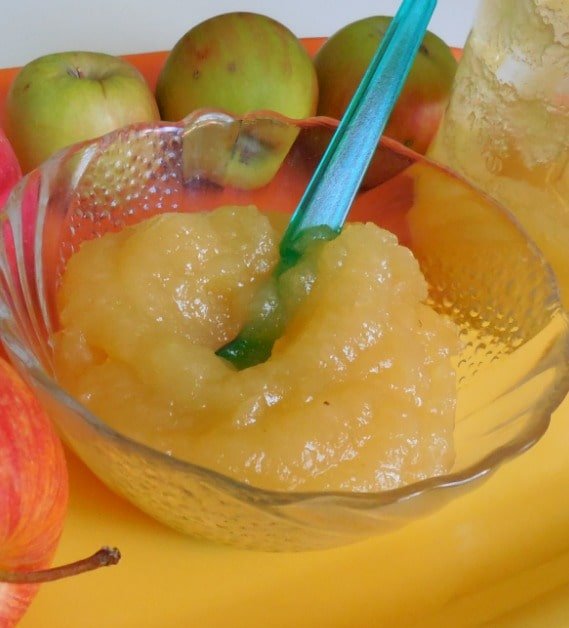
The Ideal Apple Selection
When choosing apples for your baby’s juice, opt for sweet varieties. Gala, Fuji, or Pink Lady apples are excellent choices. Their natural sweetness will be appealing to your baby without the need for excessive sweetening.
Step – by – Step Recipe
- Apple Preparation: Thoroughly wash the 2 – 3 apples you’ve selected. Since babies have a more sensitive digestive system, it’s best to peel the apples. This not only makes the juice easier to digest but also eliminates the risk of choking on small apple pieces.
- Core Removal: Use an apple corer or a sharp knife to carefully remove the cores and seeds. These parts can be hard and pose a choking hazard for babies.
- Cutting: Cut the apples into small, uniform pieces. This ensures even cooking.
- Cooking: Place the apple pieces in a small saucepan and add just enough water to cover them.
- Simmering: Cover the saucepan and simmer the apples over low to medium heat for about 10 – 15 minutes. You’ll know they’re ready when they become soft enough to be easily mashed with a fork.
- Mashing or Blending: Once the apples are soft, let them cool to a safe temperature for your baby. Then, you can either mash the apples with a fork or use a blender to puree them. For younger babies, a smoother, more liquid consistency is perfect.
- Consistency Adjustment: If the apple puree is too thick, add a little more water and blend until you reach the desired consistency.
- Serving: After the juice has cooled further (if needed), serve it to your baby in a suitable container or cup.
- Storage: Any leftover juice can be stored in an airtight container in the refrigerator for a few days.
There are also alternative ways to prepare apple juice. In the first alternative method, cut the apples into segments, removing the seeds. Place a saucepan over medium heat, add the chopped apples and three cups of water. Let it boil for a few minutes until the water takes on the color and flavor of the apple. Once ready, remove from heat, sweeten to taste (although for babies, it may not be necessary as apples are naturally sweet), strain the juice, and it can be refrigerated or consumed warm.
In the second alternative, cut the apples into strips, separate the seeds, and put them in a shredder or blender until it becomes a puree. If it’s too thick, add a few tablespoons of water. Finally, strain the applesauce to obtain the juice, sweeten if desired, refrigerate for a few minutes, and it’s ready to enjoy.
In conclusion, apples are not just a delicious fruit but a superfood for babies. With their high polyphenol content, they protect cells from oxidative stress and may even have a positive impact on brain health, potentially boosting memory and delaying the effects of aging. By making natural apple juice for your baby, you’re giving them a head start in a healthy and happy life, filled with the goodness of nature’s finest offerings.


