
Inspired by Doug Tallamy’s vision for a greener world
In the face of climate change and biodiversity loss, many of us ask: What can one person really do to help nature? The answer, according to entomologist and professor Doug Tallamy, is right outside your door. Through years of research and passionate outreach, Tallamy has developed a clear and empowering message: Your yard—yes, even a small patch of it—can be part of the solution.
In his latest book How Can I Help?: Saving Nature with Your Yard, Tallamy lays out a hopeful and practical roadmap for restoring biodiversity, one backyard at a time. Here’s how you can transform your outdoor space into a haven for wildlife, pollinators, and native plants—without sacrificing beauty or function.

Start with Keystone Species: Nature’s Power Plants
Not all plants are created equal when it comes to supporting ecosystems. In fact, just 14% of native plant species support 90% of the caterpillars that serve as the foundation of local food chains. These “keystone species” are essential to rebuilding the natural web of life, and planting them is one of the most impactful things you can do.
One of the stars? Goldenrod (Solidago spp.), a humble yet powerful plant that feeds countless caterpillars and pollinators. Even if you only have a sunny balcony or a corner of your yard, you can plant goldenrod or native asters in a container or garden bed. If you’ve got more space, consider adding keystone trees like oaks, which support hundreds of insect species critical for bird populations.
Create a Seasonal Buffet: Aim for Continuous Bloom
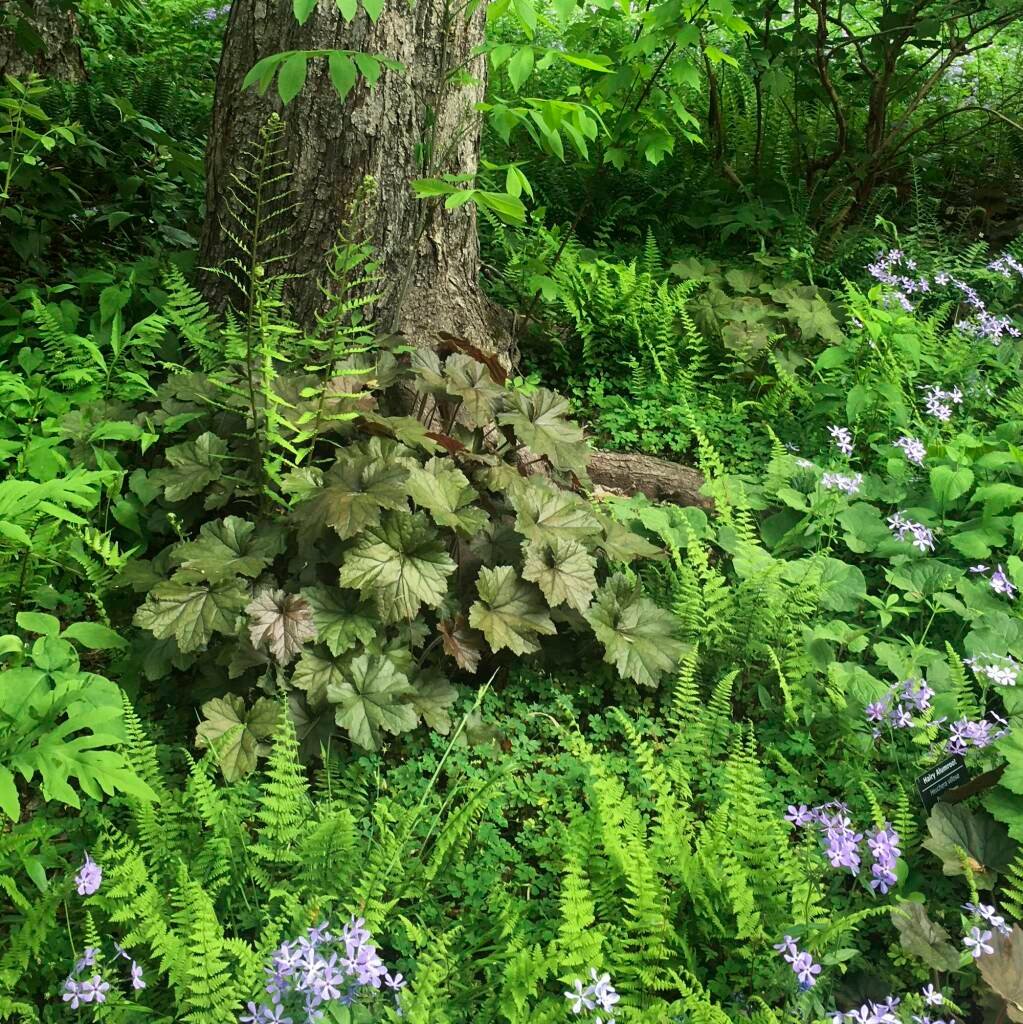
To truly support pollinators like bees and butterflies, it’s not enough to plant a single flower variety. A thriving garden should offer nectar and pollen from early spring to late fall. This means choosing a thoughtful mix of native plants that bloom in succession throughout the seasons.
Start with spring ephemerals like redbuds, willows, and serviceberries, and work your way through summer with bee balm, black-eyed Susans, and milkweeds. End the season strong with fall-blooming goldenrods and asters. Not all beneficial plants are showstoppers—some, like winterberry and Virginia creeper, have tiny flowers swarming with bees despite their inconspicuous appearance.
Designing for nature doesn’t always align with traditional ideas of beauty, but that’s part of the shift. A garden buzzing with life is a beautiful thing, even if it doesn’t resemble a formal English lawn.
Don’t Worry—You Can Keep Some Ornamentals
You don’t have to rip out every non-native plant in your yard. Tallamy recommends aiming for roughly 70% native species to truly support biodiversity, while allowing room for beloved ornamentals like camellias, forsythia, or Japanese maples—provided they’re not invasive.
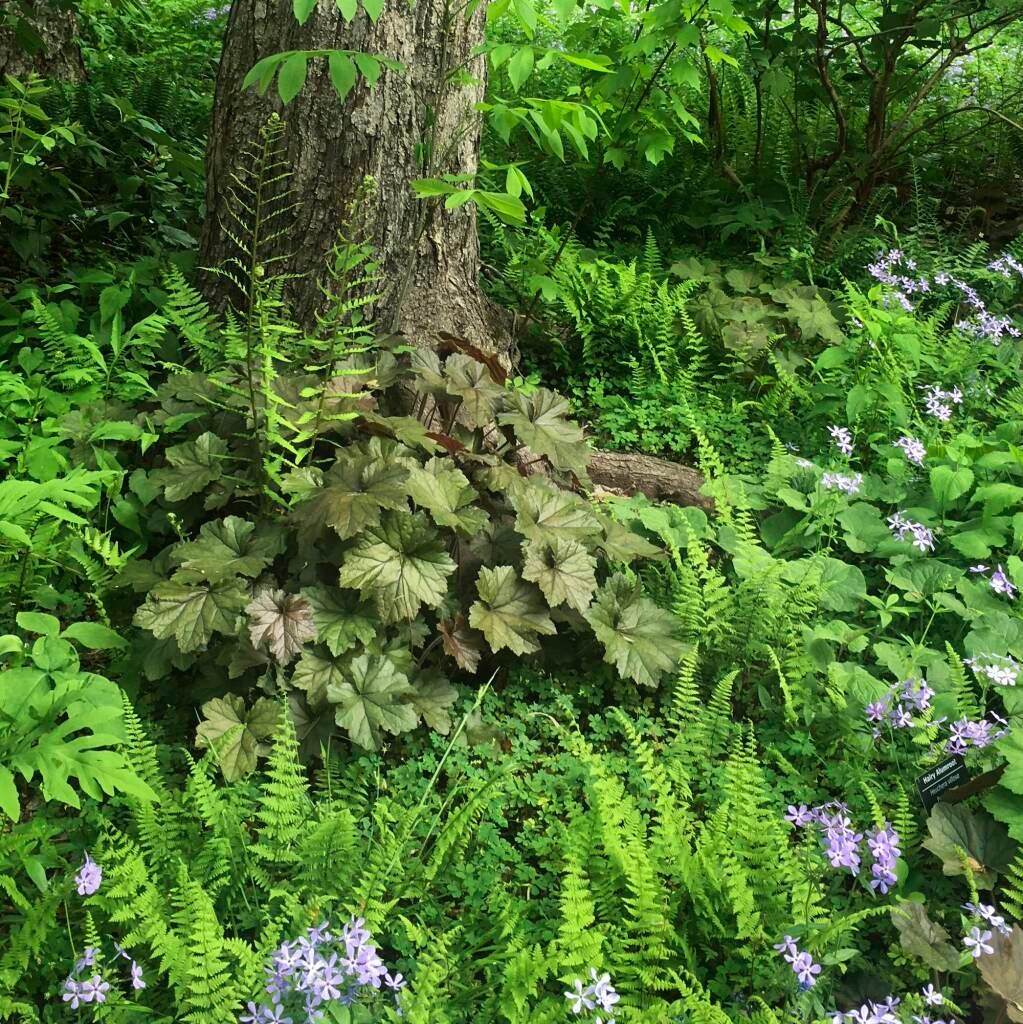
The real target? Your lawn. Lawns provide very little ecological value but dominate the American landscape. Start by converting small areas—under trees, around garden beds, or along fences—into densely planted zones rich with native vegetation. Over time, your lush, layered beds can take over where bland turf once ruled.
Soft Landings for Wildlife—and Your Rake
When caterpillars drop from trees, they need a safe place to continue their life cycle. Instead of a hard patch of lawn, offer a “soft landing”: a bed of leaf litter, mulch, or ground cover plants under trees. Not only does this benefit wildlife, but it reduces the need to rake and suppresses weeds naturally.
This is also an opportunity to reframe what a “neat” yard looks like. Well-planned native beds bordered by manicured strips of grass—or what Tallamy calls “cues for care”—signal intentional design to your neighbors, while quietly supporting a whole world of creatures beneath the surface.
Even the Smallest Spaces Matter
You don’t need acres to make a difference. A sunny stoop with potted milkweed can become a feeding station for monarchs. A raised bed with native perennials can provide food for bees. Even adopting the base of a street tree and planting around it—with the proper permissions—can create micro-habitats in urban areas where biodiversity is often lacking.
Several studies confirm that small pollinator gardens have measurable benefits for local ecosystems. So whether you live in a high-rise or a suburban development, you can be part of the solution.
Build a Movement, One Yard at a Time
Want to do more? Spread the word. A well-designed, wildlife-friendly yard can be a powerful example to your neighbors. Use signage from organizations like the National Wildlife Federation or Homegrown National Park to show that your yard is part of something bigger—a movement toward reclaiming biodiversity, right at home.
Talk to neighbors. Share cuttings of native plants. Offer to help create a pollinator patch in a local park or schoolyard. The more people who join in, the more connected habitats we can create, forming living corridors through neighborhoods, towns, and cities.
Final Thought: A New Vision for Home Landscapes
Doug Tallamy invites us to reimagine our yards not just as personal retreats, but as vital pieces of the planet’s ecosystem. With thoughtful planting, we can create spaces that are not only beautiful but also teeming with life. And in doing so, we reclaim a sense of agency in the face of global environmental challenges.
So the next time you step outside, don’t just think of your yard as a lawn to mow. Think of it as habitat. As hope. As home—not just for you, but for the countless birds, butterflies, and bees that depend on us to make room for nature again.


