
As spring breathes life back into our gardens, many green thumbs find themselves at local nurseries, eager to choose the perfect plants. But while lush grasses and vibrant blooms may catch your eye, it’s important to pause and consider what you’re really planting. Some of the most popular garden plants come with hidden costs: they’re invasive species that outcompete native plants, harm local ecosystems, and even reduce biodiversity.
According to Evelyn Beaury, a scientist at the New York Botanical Garden’s Center for Conservation and Restoration Ecology, once a plant makes the invasive species list, it’s already wreaking havoc. Prevention—especially at the planting stage—is key. Fortunately, there’s a wide selection of beautiful, native alternatives that provide not only ecological benefits but often greater ornamental value.
We consulted leading experts in landscape design and ecological gardening—including Jeff Lorenz of Refugia Design, Rebecca McMackin of the American Horticultural Society, and Edwina von Gal of the Perfect Earth Project—to compile a fresh take on the “dirty dozen” of invasive plants and what to grow instead.
1. Miscanthus sinensis (Chinese Silver Grass)
Instead, try: Northwind switchgrass (Panicum ‘Northwind’), Indiangrass (Sorghastrum nutans), or Big bluestem (Andropogon gerardii).
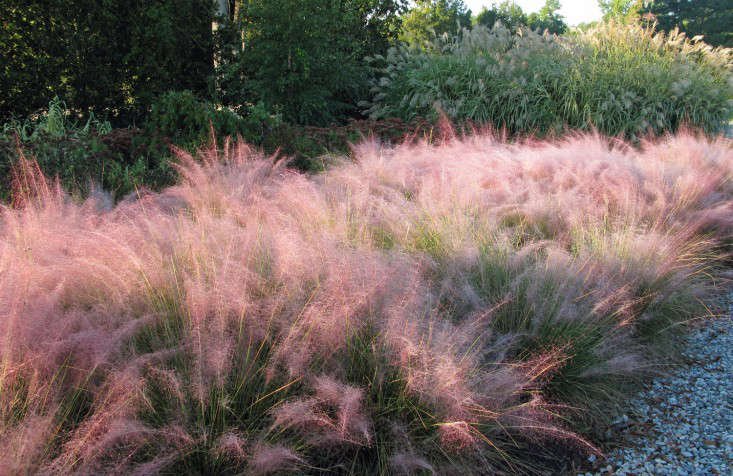
These native grasses mimic the elegant structure of miscanthus but offer much more: food and shelter for wildlife, striking seed heads, and seasonal color shifts. For a more whimsical effect, consider Muhly grass (Muhlenbergia capillaris)—its cotton candy plumes are a showstopper.
2. Barberry (Berberis spp.)
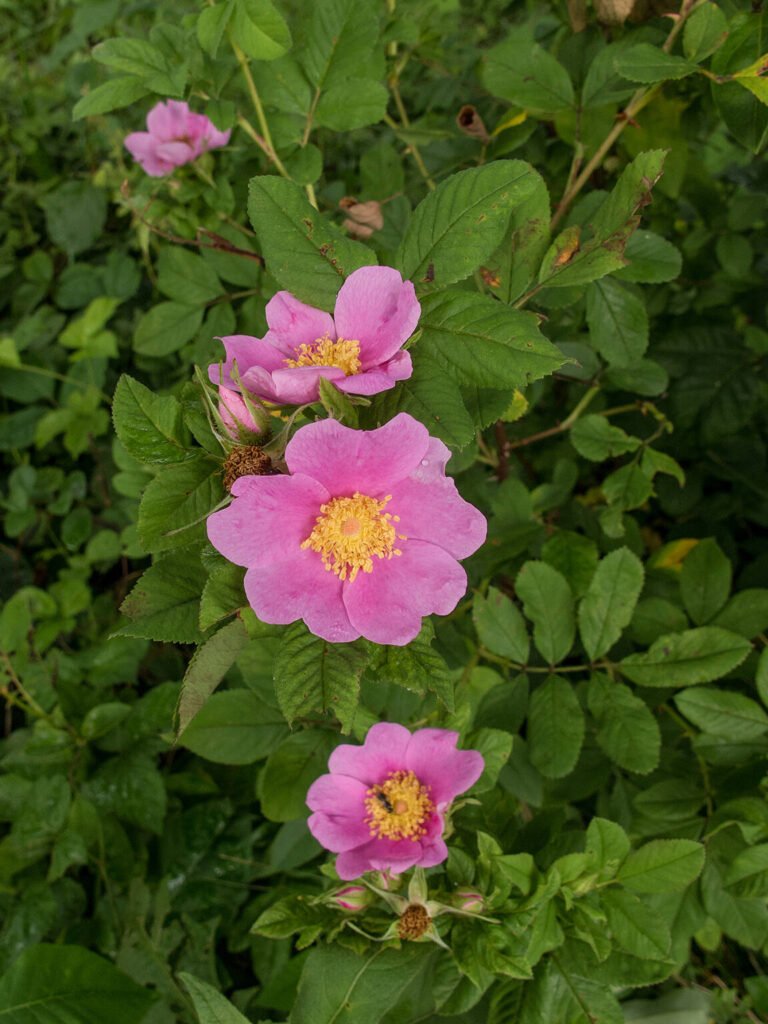
Instead, try: Common ninebark (Physocarpus opulifolius) or Carolina rose (Rosa carolina).
Barberry may be common, but it encourages deer ticks and lacks ecological value. Ninebark, with its colorful foliage and support for moth larvae, is both functional and fabulous. Carolina rose, with its thorns, hips, and wildlife appeal, is a great substitute for those seeking texture and seasonal charm.
3. Privet (Ligustrum spp.)
Instead, try: Yaupon holly (Ilex vomitoria), Evergreen sumac (Rhus virens), or Bayberry (Myrica pensylvanica).
Privet is notorious for overtaking landscapes. Instead, opt for yaupon holly with its vibrant berries beloved by birds, or evergreen sumac for its glossy foliage. In the Northeast, bayberry and wax myrtle are resilient alternatives that attract birds and fix nitrogen in the soil.
4. Bradford/Callery Pear (Pyrus calleryana)
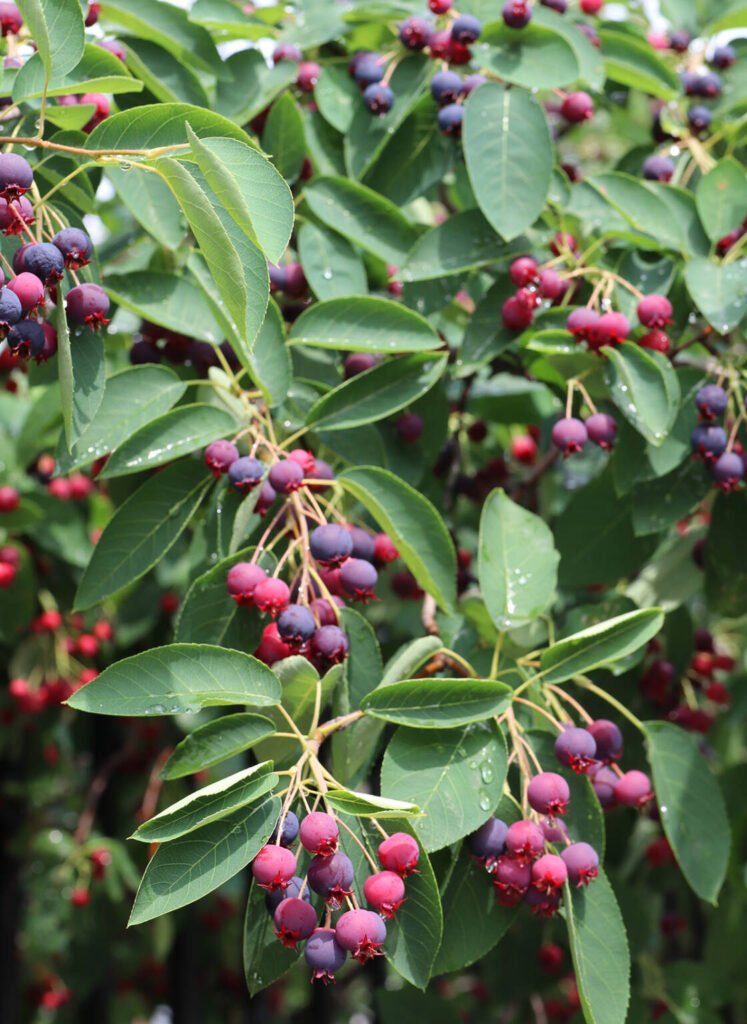
Instead, try: Downy serviceberry (Amelanchier arborea).
While Bradford pears endure urban abuse, serviceberries bring far more to the table—literally. Their fruits are delicious, their fall color is spectacular, and they offer excellent pollinator support. The catch? Give them space to grow and thrive.
5. Butterfly Bush (Buddleja davidii)
Instead, try: False indigo bush (Amorpha fruticosa), Clethra alnifolia ‘Ruby Spice’, or Butterfly weed (Asclepias tuberosa).
Despite its name, butterfly bush isn’t the best choice for butterflies. Instead, go native: A. fruticosa thrives in many environments and offers seeds and nectar. Butterfly weed is a magnet for pollinators and serves as a larval host for monarchs and more.
6. Heavenly Bamboo (Nandina domestica)
Instead, try: Coralberry (Symphoricarpos orbiculatus) or American beautyberry (Callicarpa americana).
Nandina’s toxic berries harm birds. Beautyberry and coralberry, on the other hand, offer critical food sources and support native insect life—plus they’re striking in any garden with their jewel-toned fruit.
7. Winged Burning Bush (Euonymus alatus)
Instead, try: Highbush blueberry (Vaccinium corymbosum), Southern arrowwood (Viburnum dentatum), or American cranberry bush (Viburnum trilobum).
These shrubs deliver the same vivid autumn hues with the added bonuses of pollinator support, bird-friendly berries, and seasonal interest from spring through winter.
8. Vinca minor (Periwinkle)
Instead, try: Mountain spurge (Pachysandra procumbens), Frogfruit (Phyla nodiflora), or Horseherb (Calyptocarpus vialis).
Groundcovers don’t have to be invasive to be effective. Native alternatives like frogfruit and horseherb offer blooms for pollinators and work in both sun and shade, while mountain spurge is a slow but tough, deer-resistant groundcover for shady spots.
9. Wisteria sinensis (Chinese Wisteria)
Instead, try: American wisteria (Wisteria frutescens).
American wisteria offers the same romantic cascading blooms without the aggressive spread. It’s less likely to overrun your landscape and is just as breathtaking when trained up a structure or tree snag.
This list is just the beginning. As Edwina von Gal reminds us, “If you’re planting something because it’s tough enough to survive under stress, maybe it’s the stress you need to address first.” Sustainable gardening is as much about smart design as it is about plant selection.
So this season, skip the problem plants. Opt instead for natives that nurture pollinators, resist pests naturally, and contribute to a healthy, balanced ecosystem. Your garden—and the environment—will thank you.


